How it works
From a phone call to a lease, plain at every step.
Lifestyles Transitional Homes LLC is a wholly owned subsidiary of THE Hebrew Embassy Ministries Incorporated. We lease the home for ministry use, and the lease is a community service rather than a commercial one.
The short version
A ministry takes on the home to carry out its work in it — not to rent it out.
The lease is a community service: a ministry using a house for its program, long-term, with Lifestyles Transitional Homes LLC signing the lease and handling the upkeep. That is the whole arrangement, and everything below follows from it.
01
You tell us about the house
A phone call or a short message is enough to start.
Where the property is, how many bedrooms, roughly what condition it is in, and when you would like it leased. Nothing has to be prepared and there is no form to fill in before we speak.
02
We walk the property with you
We look at the house before we talk about numbers.
We arrange a time that suits you, look over the property with you, and talk through how the home would be run and what the lease would pay. Whatever your insurer, your lender or your family wants to ask, we answer it here.
03
The terms are set down in writing
Nothing here is agreed verbally.
The lease amount, the day of the month it is paid, the length of the term, and a plain list of who is responsible for what. You read it before you sign it, and so does anyone advising you. If your insurer or your lender wants information, we send it to them in writing.
04
The payment begins
And from there, the house is our work.
The first payment arrives on the agreed date. Repairs, tradespeople, upkeep and the day to day running of the home become ours. You deal with one person, and that person answers the phone.
What the lease says
Nine things, in plain words.
Set out in ordinary language, on one sheet. If something is not clear, ask, and we will put it differently until it is.
- The lease amount
- A fixed monthly figure, agreed before anything begins.
- The payment date
- The same day every month, written into the lease.
- The nature of the lease
- A community service lease: a ministry using the home for its program, not a commercial tenancy.
- The term
- How long the lease runs, and what happens as it comes to an end.
- Who does the repairs
- Routine maintenance is ours, and so is any damage caused by a program participant, if any.
- Who lives in the house
- People in the ministry’s program, interviewed and accepted before they arrive, named in the agreement.
- The condition at the start
- A written and photographic record both sides keep.
- Notice and access
- How and when we contact you, and how access is handled.
- What happens at the end
- How the house is returned, and in what condition.
While the lease runs
Then the work is ours.
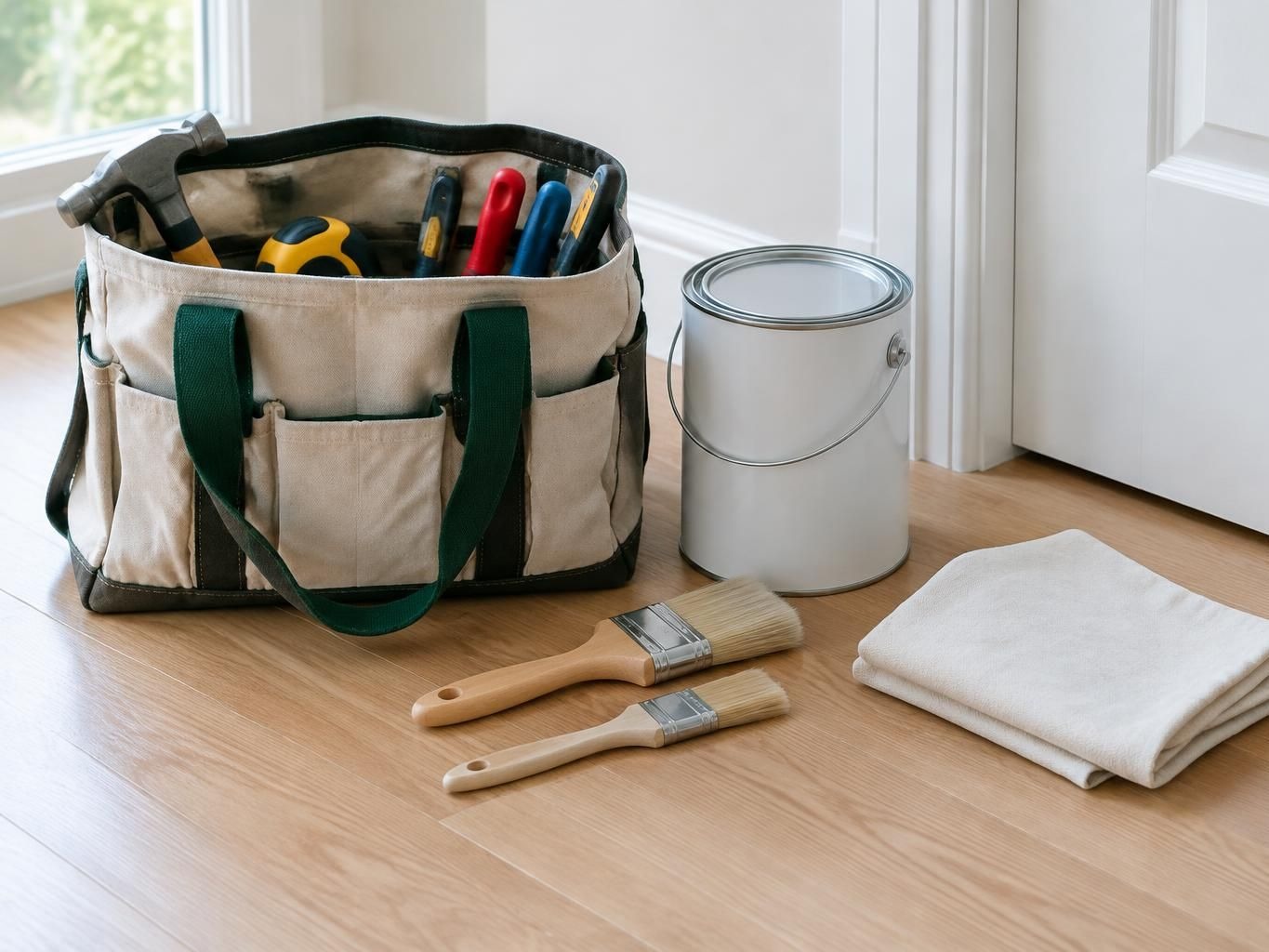
A house manager keeps the home day to day. Repairs are reported to us, not to you, and they are done rather than deferred. All routine maintenance is ours, and any damage caused by a program participant is repaired at our cost, if any.
The home is kept clean and orderly, tidier than most households, and every property is kept up daily, at all times. The property is checked regularly, so a loose gutter or a dripping tap is seen to while it is still small, and you get a written record of anything significant. If the house could use something beyond ordinary upkeep, it is put to you before anyone touches it, and the decision stays yours.
If you would rather just talk it through.
Most landlords have a detail they would like explained properly, and it is usually the one that matters. Call and ask it.
You can also read the arrangement in detail before you call.